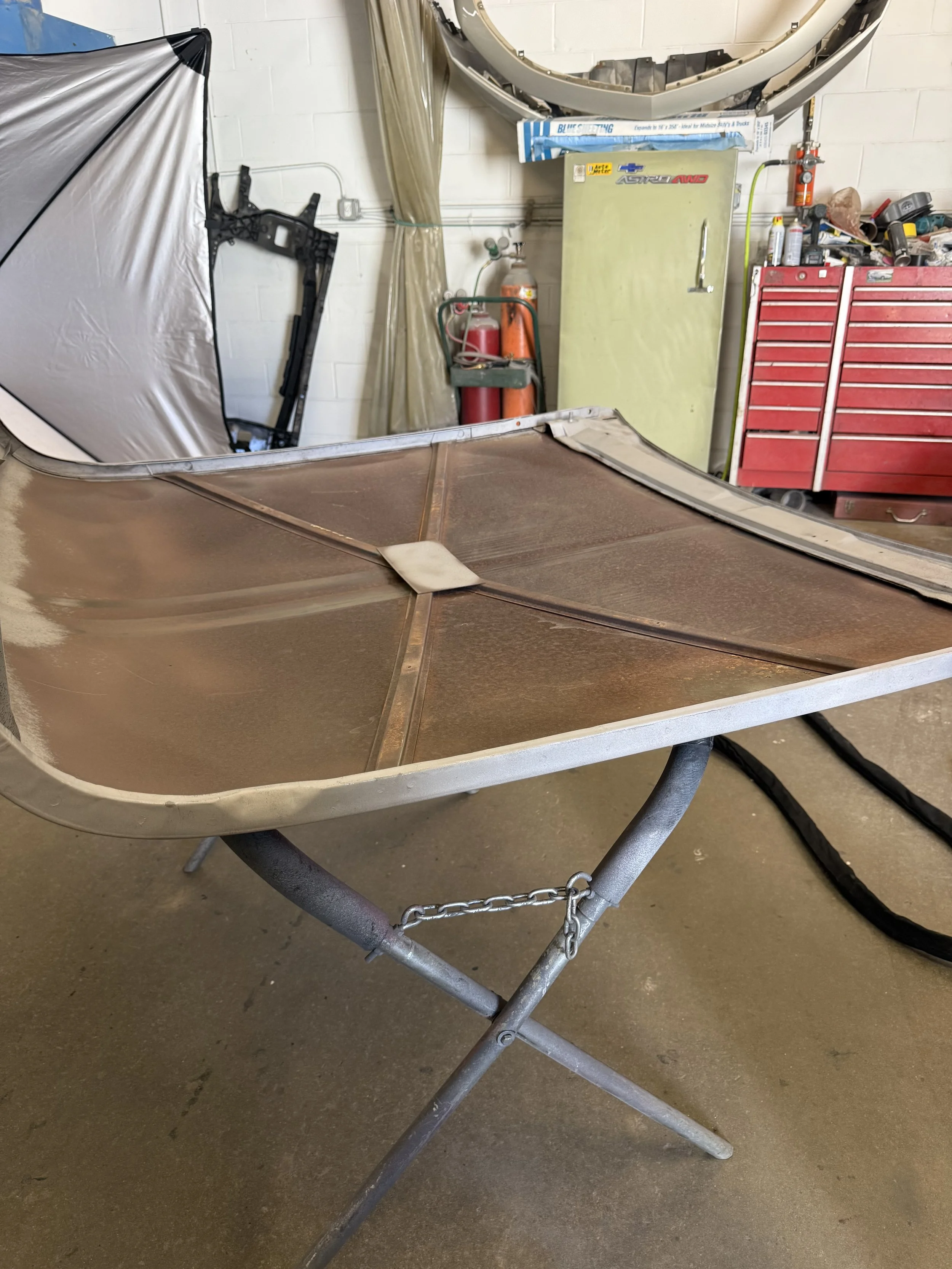
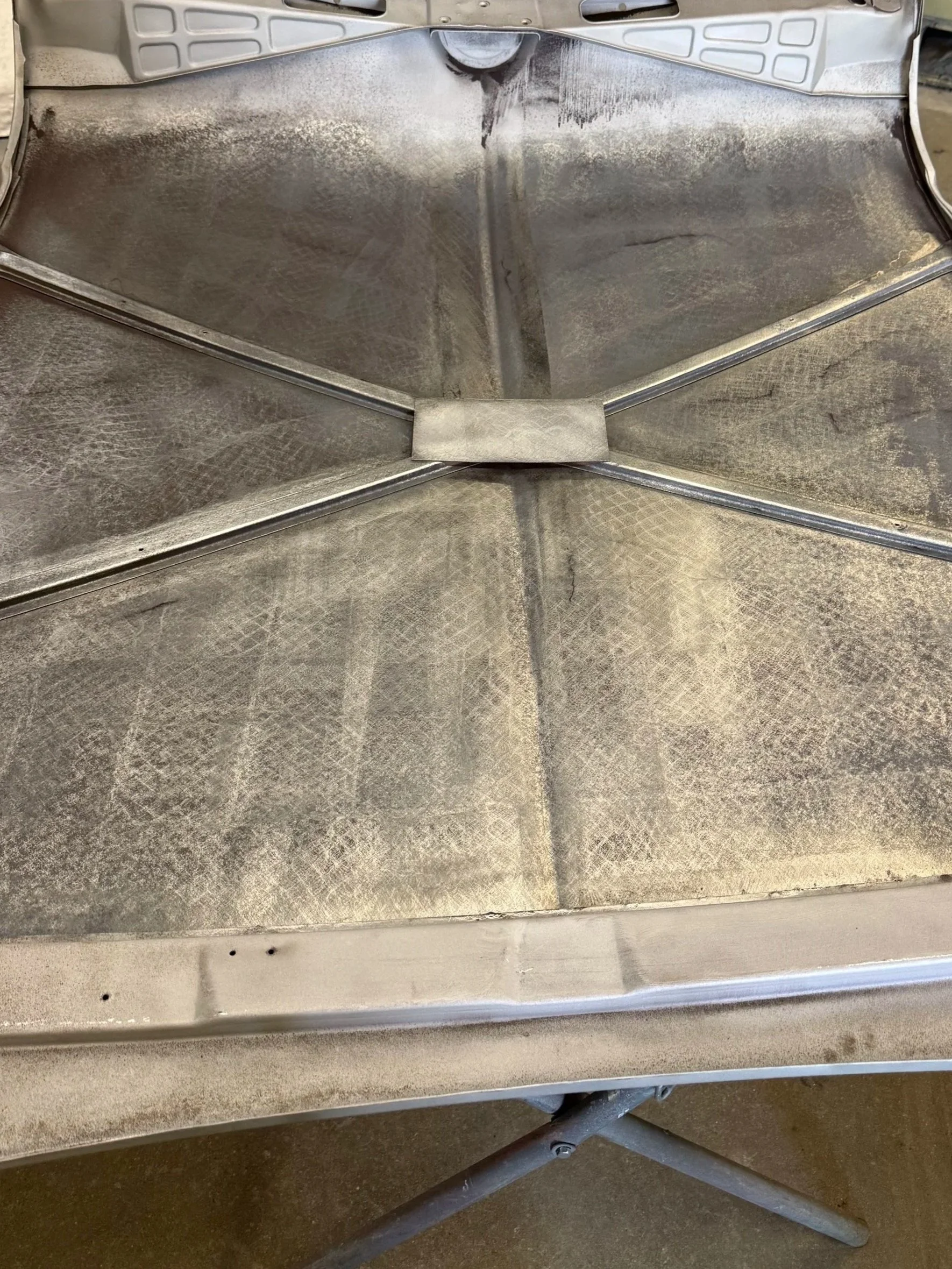
Laser Cleaning vs. alternative methods
Discover how laser cleaning outperforms other surface preparation techniques in terms of safety, precision, and sustainability.
Chemical Treatment vs. Laser Cleaning
In contrast to chemical treatment, laser cleaning tools are eco-friendly, operator-safe, and effective on a variety of surfaces. Many chemical cleaners are coating-specific and require time for dilution and application. Moreover, these often contain toxic substances that, when released, can harm ecosystems. Improper handling of chemicals can lead to accidents, such as spills or chemical burns. Chemical treatment requires continuous use of consumables, rigorous protective measures, post-process cleanup, and proper waste management.
Dry Ice Blasting vs. Laser Cleaning
Compared to dry ice blasting, laser cleaning is more versatile for various surfaces and does not come in tow with the ongoing operational costs associated with dry ice. Dry ice blasting has not proved effective on all surfaces or resistant contaminants. Furthermore, while dry ice is made from recycled carbon dioxide and is said to have no contribution to greenhouse gas emissions, cleaning with dry ice, as well as some dry ice production processes, release CO2 back into the air. Safety concerns include the risk of cold burns and operator exposure to CO2 gas buildup in enclosed spaces.
Sandblasting vs. Laser Cleaning
The accuracy laser cleaning offers is far superior to that of sandblasting. Yet the main downside of sandblasting lies in health risks associated with inhaling harmful airborne particles, which can lead to serious respiratory issues. Despite regulations aimed at minimizing exposure, many workers in industries like construction and mining remain at risk, with thousands of deaths linked to silicosis in the U.S. alone. Furthermore, sandblasting generates waste that can include harmful dust, complicating disposal and increasing environmental impact.
Continuous Wave Laser vs. Pulsed Laser
A continuous wave (CW) laser emits light waveforms continuously at a constant amplitude and frequency with the maximum energy of up to 3 kilowatts, depending on your system build. A pulsed laser, by contrast, emits short pulses of light with the energy accumulated in a set timeframe. The longer the pause between pulses, the more powerful the laser pulse. Peak energy of a pulse reaches as high as 10 times the output power of a unit. Separately, our CW lasers can be set to “Modulated” mode for pulsed-like laser release in certain roughening applications.
Continuous Wave Laser Cleaning Machines
Laser Photonics offers continuous wave (CW) laser systems for industrial cleaning applications. These units are designed for heavy duty, speedy surface treatment and offer a truly satisfying lasing experience. CW lasers integrate a water chiller to prevent overheating.
Pulsed Wave Laser Cleaning Machines
A pulsed laser can achieve a higher peak power per pulse than a CW laser. These laser systems come with a low output power, which makes them ideal for high-precision, meticulous surface treatment in small- and mid-scale operations. These units feature an air-cooled, compact, and portable design, with a water chiller option for higher-power systems
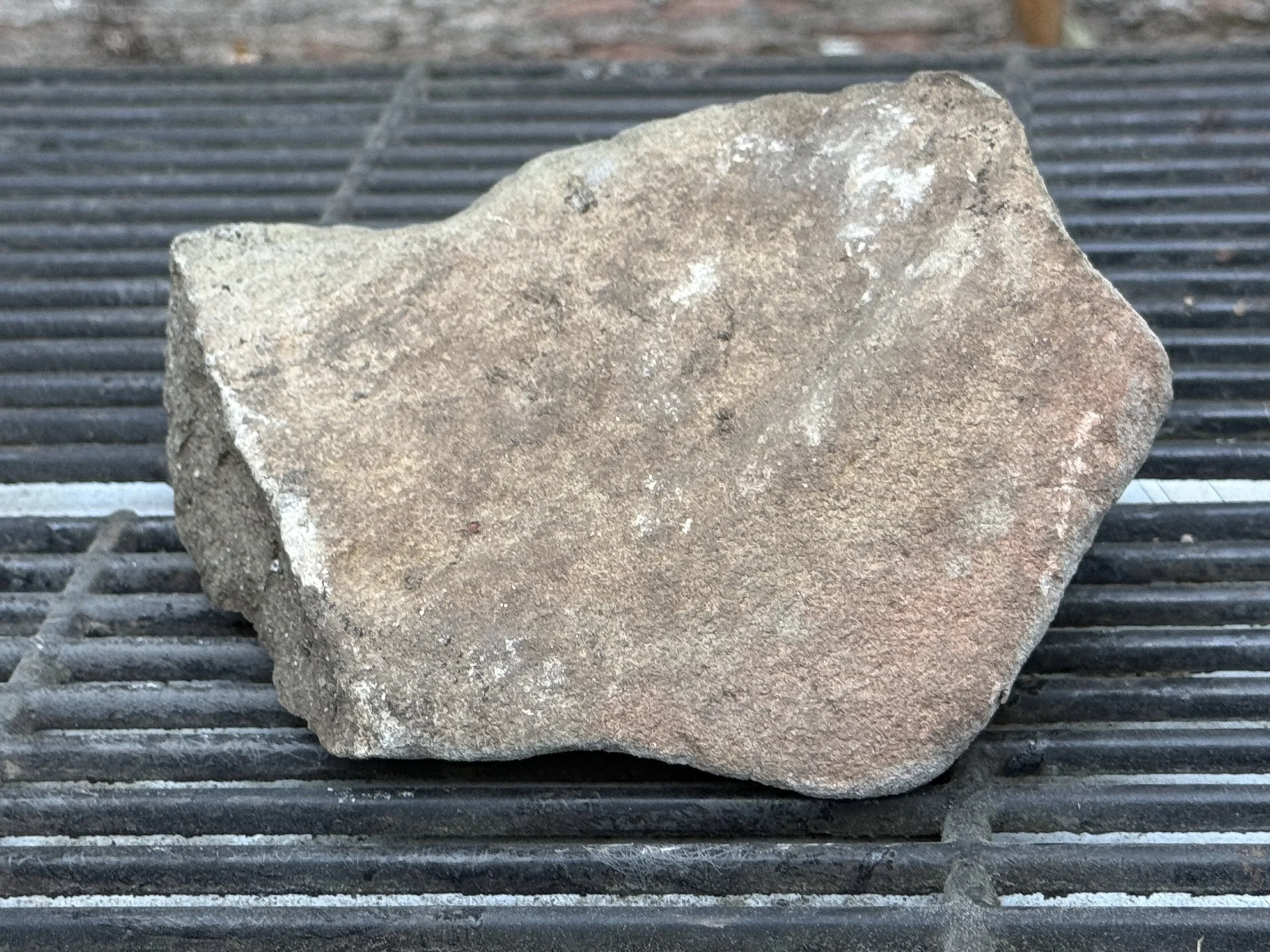
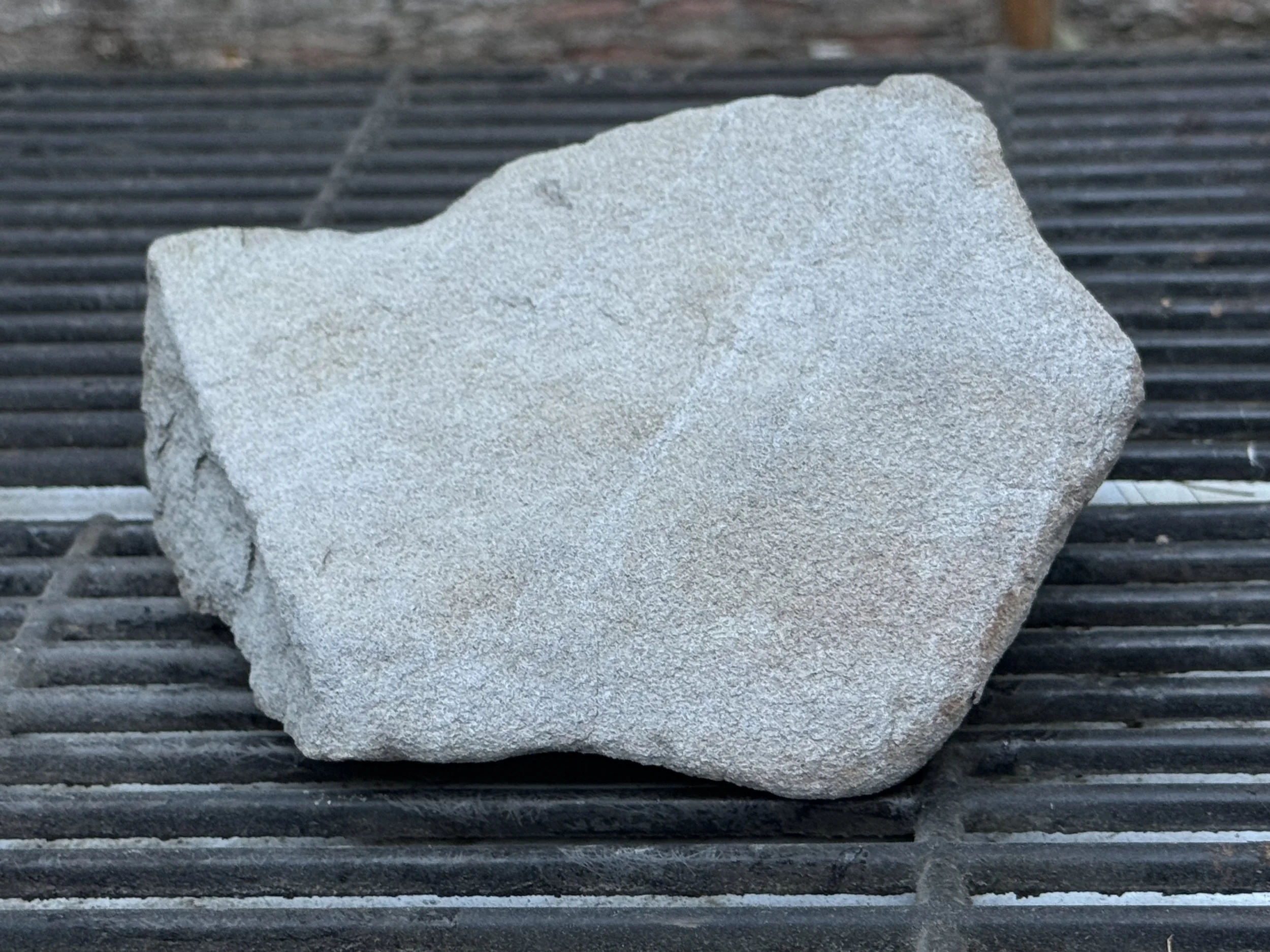
Pulsed Laser cleaning historical buildings.
Did you know that pressure cleaning historic buildings can cause plaster to crack over time?
One of the most common reasons is the activation of harmful salts within the masonry. This is why conservators need a cleaning method that allows them to control exactly how much energy reaches the surface.
With pulsed laser cleaning, the fluence (energy density) can be precisely selected to exceed the ablation threshold of the dirt layer while remaining safely below the damage threshold of the delicate historic substrate.
The result is specific removal of years of accumulated dirt, while preserving the mineral structure, original patina, and traces left by past craftsmen.